
How we help
At Aging Well at Home, we are dedicated to providing financial support to caregivers looking after their elderly loved ones. We understand the challenges that come with caring for family members and offer indirect payment programs to help subsidize costs that fall between the cracks, specifically for those caregivers who might not qualify for traditional assistance but still struggle to meet their financial needs. It’s our way of ensuring that both caregivers and their elderly loved ones can live well at home.

Home Comfort Grant

Must Haves

Levels of Long Term care

Exercises to Prevent Falling

caregiver mental health

FAQ’s
Home comfort grant

At Aging Well at Home, we understand the importance of a comfortable and safe home environment for the elderly. Our Home Comfort Grants are here to help caregivers finance caregiver support without the financial strain. These grants can cover expenses such as:
- respite care
- in-home cameras
- Emergency fall alert systems
These small changes can make a big difference in the quality of life for the caregiver and their elderly loved ones, enabling them to live more happily and safely at home.
Caregivers must haves
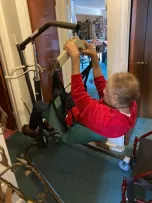
Hoyer Lift

Webcam

Shower Grab Bars

Respite Care
Levels of longterm care

In-Home Care
For those who wish to remain in the comfort of their own home, in-home care provides a flexible solution. This level of care is ideal for individuals who require minimal assistance with daily activities but still maintain a degree of independence. Services can include:
- Personal Care Assistance: Help with bathing, dressing, grooming, and other personal hygiene tasks.
- Household Support: Assistance with meal preparation, housekeeping, shopping, and transportation.
- Companionship: Providing social interaction and emotional support to combat loneliness.

Adult Day Care
Adult day care centers offer a safe and supportive environment for aging adults during the day while allowing them to return home in the evening. This level of care is suitable for individuals who need supervision or socialization during the day while their primary caregivers are at work or need respite. Services typically include:
- Social Activities: Group activities, outings, and recreational programs that promote social engagement.
- Health Services: Basic medical care, such as medication management and monitoring of chronic conditions.
- Nutrition: Nutritious meals and snacks are provided during the day.

Assisted Living
Assisted living facilities offer a community-based setting where individuals can receive assistance with daily activities while enjoying a degree of independence. This level of care is ideal for those who need more help than can be provided at home but do not require the intensive medical care of a nursing home. Key features include:
- Personalized Care Plans: Tailored care to meet individual needs, including help with bathing, dressing, and medication management.
- Social and Recreational Activities: Opportunities for social interaction, hobbies, and community engagement.
- 24/7 Support: Staff available around the clock to assist with any needs or emergencies.

Memory Care
Memory care units are specialized facilities designed to care for individuals with Alzheimer’s disease, dementia, or other memory-related conditions. These facilities provide a secure environment and structured care tailored to the unique needs of those with memory impairments. Services include:
- Specialized Programs: Activities designed to stimulate memory and cognitive function.
- Secure Environment: Enhanced safety measures to prevent wandering and ensure the well-being of residents.
- Trained Staff: Caregivers trained in handling the specific challenges associated with memory loss.
Nursing Homes
Nursing homes offer the highest level of care, providing comprehensive medical and personal care for individuals with significant health issues or disabilities. This level of care is suitable for those who require round-the-clock supervision, extensive medical care, or rehabilitation services. Key components include:
- Skilled Nursing Care: 24/7 nursing support for managing chronic illnesses, post-surgical recovery, and complex medical conditions.
- Rehabilitation Services: Physical, occupational, and speech therapy to aid in recovery and improve quality of life.
- Long-Term Care: Continuous care for those with severe health conditions that require constant attention.

Continuing Care Retirement Communities (CCRCs)
Continuing Care Retirement Communities (CCRCs) offer a continuum of care, allowing residents to transition between different levels of care as their needs change over time. This option is ideal for individuals who want to remain in one community while having access to various levels of care, from independent living to skilled nursing. Features include:
- Independent Living: For those who are still active and self-sufficient but want to be part of a community with future care options.
- On-Site Care: Access to assisted living, memory care, and nursing care as needed, without the need to relocate.
- Community Amenities: A wide range of services and activities, including dining, fitness centers, and social programs.
Exercises to prevent falling
Single-Leg Stands
Heel-to-Toe Walk
Side Leg Raise
Home renovations to help you stay in your home: aging in place safely

As we age, staying in the comfort of our own home becomes a priority for many. However, our homes may need some modifications to ensure they remain safe and accessible. By making thoughtful home renovations, you can enhance safety, increase mobility, and maintain independence, allowing you to age in place comfortably. This guide covers key renovations that can make your home safer and more suitable for your evolving needs.
Improve Accessibility with Ramps
Making your home more accessible is one of the most important steps in aging in place.
Install Ramps:
- Why It Helps: Ramps provide easier access for wheelchairs, walkers, and those with mobility issues, reducing the risk of falls on steps.
- Where to Add: Consider installing ramps at entryways, including the front door, garage, and backyard.
Bathroom Safety Modifications
Bathrooms can pose a significant risk for falls, but with a few key renovations, they can become much safer.
Install Grab Bars:s
- Why It Helps: Grab bars provide support when getting in and out of the shower or bathtub and when using the toilet.
- Where to Add: Place grab bars near the shower, bathtub, and toilet for easy access.
Replace the Bathtub with a Walk-In Shower:
- Why It Helps: A walk-in shower with a low threshold or no threshold at all reduces the risk of tripping.
- Additional Features: Consider adding a built-in shower seat and a handheld showerhead for added convenience.
Add Non-Slip Flooring:
- Why It Helps: Non-slip flooring reduces the risk of slipping, especially in wet areas.
- Where to Add: Use non-slip materials in the shower, bathroom floor, and kitchen.
Enhance Lighting
Good lighting is crucial for preventing falls and improving visibility throughout your home.
Install Bright, Adjustable Lighting:
- Why It Helps: Bright lighting helps to illuminate spaces and reduce shadows, making it easier to see potential hazards.
- Where to Add: Focus on high-use areas like the kitchen, bathroom, hallways, and staircases.
Add Motion-Sensor Lights:
- Why It Helps: Motion-sensor lights automatically turn on when movement is detected, providing light when you need it without the need to fumble for switches.
- Where to Add: Place these lights in hallways, staircases, and outside entryways.
Use Task Lighting:
- Why It Helps: Task lighting focuses on specific areas, making activities like cooking, reading, or sewing easier and safer.
- Where to Add: Use under-cabinet lighting in the kitchen, bedside lamps, and reading lights in living areas.
Caregiver mental health
Caregiver mental health is crucial, as the emotional and physical demands of caring for a loved one can lead to stress, anxiety, and burnout. It’s essential for caregivers to prioritize self-care, seek support from others, and take breaks to maintain their well-being. By nurturing their mental health, caregivers can provide better care for those they support while safeguarding their own emotional resilience.
Here are three tips to improve caregiver mental health:
-
Set Boundaries: Learn to say no when needed and establish clear limits to avoid burnout. Balance caregiving duties with personal time to recharge.
-
Seek Support: Join a caregiver support group or talk to a mental health professional. Sharing your experiences and getting advice from others can relieve stress and provide emotional support.
-
Practice Self-Care: Prioritize your well-being by incorporating relaxation techniques like meditation, yoga, or regular physical activity into your routine to reduce stress and improve mental clarity.
Common questions
- Affordable Hearing Aids https://huehearing.com
- Reliable Decluttering Companies: https://www.collegehunkshaulingjunk.com
